You’ve probably seen it on modern homes, new constructions, and luxury remodel projects.
Clean lines. Strong curb appeal. A wood-like finish that still looks premium after years.
That’s exactly why Hardie board siding continues to dominate exterior remodeling trends in 2026.
But here’s the real question:
Is Hardie board siding actually worth the higher upfront cost?
Most articles only tell you what it is.
They don’t explain whether it fits your budget, climate, maintenance expectations, and long-term resale goals.
This guide is different.
You’ll learn what Hardie board siding really is, its pros and cons, cost breakdown, ROI, and whether it’s the smartest siding investment for your home.
Let’s get into it.
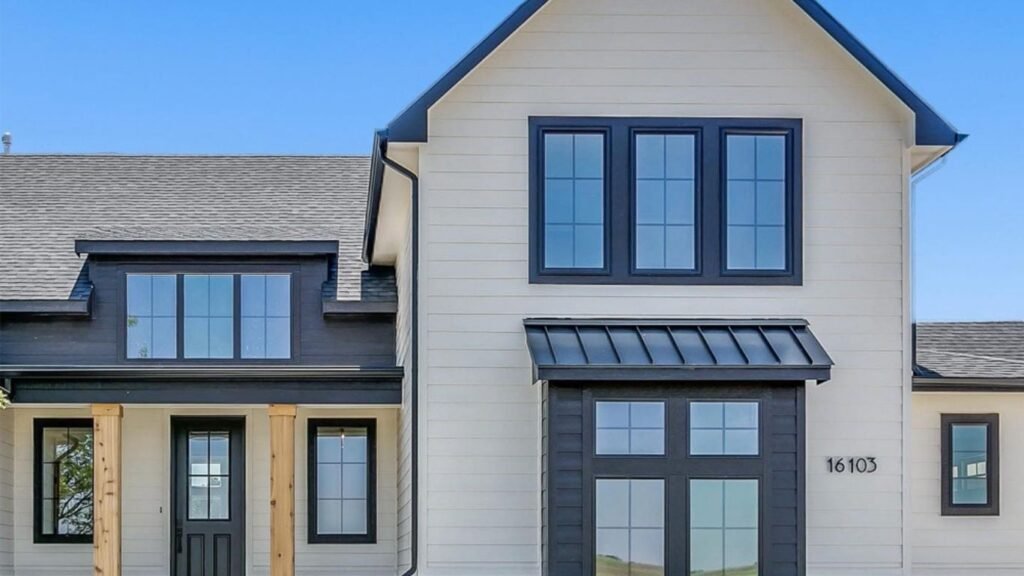
Table of Contents
- Why Hardie Board Siding Matters in 2026
- Top Benefits of Hardie Board Siding
- Pros and Cons: Honest Comparison
- Cost Breakdown and ROI
- Hardie Board vs Vinyl vs Wood
- How to Choose the Right Style
- Things to Watch Before Installation
- Questions to Ask Your Contractor
- Quick Action Plan
- Bottom Line
Why Hardie Board Siding Matters in 2026
Exterior finishes are no longer only about looks.
Homeowners now prioritize:
- durability
- weather resistance
- fire protection
- resale value
- low maintenance
This is where Hardie board siding stands out.
Hardie board is a fiber cement siding product made from cement, sand, water, and cellulose fibers. It is known for its durability, fire resistance, and wood-like appearance.
In 2026, it remains one of the most recommended siding options for modern homes.
Top Benefits of Hardie Board Siding
1. Exceptional Durability
One of the biggest reasons homeowners choose Hardie board is lifespan.
It can last 30 to 50 years with proper installation and maintenance.
That makes it a long-term investment.
2. Fire Resistance
Unlike wood or vinyl, Hardie board is non-combustible.
This makes it ideal for homes in wildfire-prone or hot regions.
3. Weather Protection
It performs exceptionally well against:
- rain
- moisture
- wind
- heat
- UV exposure
Properly installed boards resist rot, warping, and cracking.
4. Pest Resistance
Unlike wood siding, termites and insects typically do not damage fiber cement siding.
5. Premium Curb Appeal
One of the biggest reasons people choose Hardie board is appearance.
It mimics:
- wood planks
- cedar shingles
- vertical modern panels
without the maintenance burden of real wood.
Pros and Cons: Honest Comparison
| Factor | Hardie Board | Verdict |
|---|---|---|
| Durability | Excellent | Long-term investment |
| Fire Resistance | Excellent | Major benefit |
| Maintenance | Low | Better than wood |
| Cost | High | Higher upfront |
| Installation | Complex | Needs professionals |
Cost Breakdown and ROI
The average installed cost is usually around $6–$11 per square foot, depending on labor and style.
Small Home
$6,000–$12,000
Medium Home
$12,000–$20,000
Large Home
$20,000–$35,000+
The upfront cost is higher than vinyl, but resale value and durability often justify it.
Hardie Board vs Vinyl vs Wood
Hardie Board
Best for durability and premium appearance
Vinyl
Best for budget-friendly installs
Wood
Best for classic luxury look but high maintenance
Fiber cement typically outperforms both in lifespan and protection.
How to Choose the Right Style
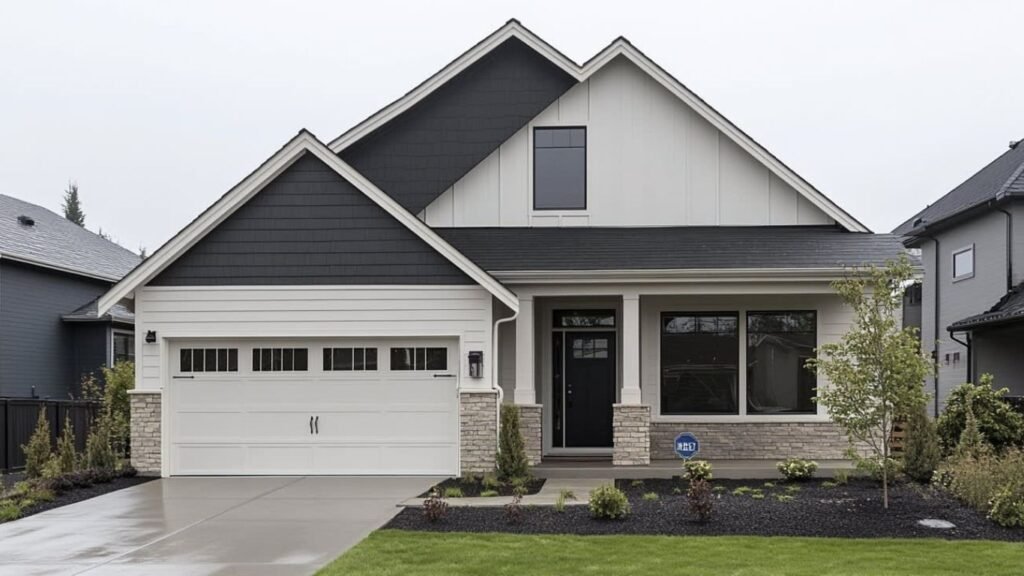
Lap Siding
Most popular traditional horizontal look
Vertical Panels
Modern and contemporary homes
Shingle Style
Best for craftsman and cottage designs
Things to Watch Before Installation
This is where many homeowners make mistakes.
Be careful with:
- poor contractor installation
- improper flashing
- weak sealing
- unsealed cut edges
Installation quality directly affects lifespan.
Questions to Ask Your Contractor
- Do you have experience installing Hardie board?
- Is flashing included?
- What warranty do you offer?
- How do you handle moisture barriers?
- What maintenance should I expect?
Quick Action Plan
- Decide your budget
- Compare with vinyl and wood
- Choose siding style
- Get 3 contractor quotes
- Verify installer experience
- Confirm warranty
The Bottom Line on Hardie Board Siding
If you want a siding material that combines durability, curb appeal, fire resistance, and long-term value, Hardie board siding remains one of the best investments in 2026.
Yes, the upfront cost is higher.
But for many homeowners, the long lifespan and premium look make it absolutely worth it.