Introduction: A Beautiful Home Isn’t About Spending More—It’s About Designing Smarter
Have you ever walked into someone’s home and immediately felt relaxed, even though nothing looked overly expensive?
Then you’ve probably wondered why your own home doesn’t create the same feeling despite buying new furniture, repainting walls, or decorating every corner.
Here’s what I’ve noticed after studying modern interior design principles: most people don’t have a decorating problem—they have a planning problem.
They buy furniture before measuring the room.
They choose paint before understanding natural light.
They fill empty corners simply because they think every space needs something.
The result?
A home that feels crowded, inconsistent, and surprisingly uncomfortable.
This is exactly where the Interior Design DrHomey philosophy stands out.
Instead of chasing short-lived decorating trends, it focuses on creating spaces that genuinely improve everyday living. It combines practical planning, timeless design principles, wellness-focused ideas, and smart organization into one easy-to-follow approach.
Whether you’re refreshing a studio apartment, renovating your family home, or simply trying to make one room feel more inviting, these principles can help you make better decisions without wasting money on unnecessary décor.
Throughout this guide, I’ll share not only the commonly recommended techniques but also practical insights, professional tips, and common mistakes that many homeowners overlook.
Let’s start with the foundation of every successful interior.
What Is Interior Design DrHomey?
Interior Design DrHomey isn’t a single decorating style like Scandinavian, Industrial, or Modern Farmhouse.
Instead, it’s a practical design philosophy built around one simple belief:
Your home should support your lifestyle—not work against it.
That means every design decision should answer three questions:
- Does this improve functionality?
- Does this make the room feel comfortable?
- Does it contribute to the overall appearance?
If the answer isn’t “yes” to most of those questions, it probably doesn’t deserve a place in the room.
Why This Philosophy Works
Many decorating guides focus only on aesthetics.
You’ll see endless inspiration photos featuring luxury sofas, designer lighting, and perfectly styled shelves.
But real homes aren’t photography studios.
People cook.
Children play.
Pets shed hair.
Shoes pile up.
Remote controls disappear.
A successful interior has to accommodate everyday life while still looking attractive.
That’s what makes the DrHomey approach refreshing.
Instead of encouraging perfection, it encourages intentional design.
The Four Core Principles Behind Every Well-Designed Home
Everything else in this guide builds on these four ideas.
1. Function Comes Before Decoration
One of the biggest decorating mistakes people make is shopping before planning.
Imagine buying a beautiful oversized sectional because it looked amazing in the showroom.
Once it’s delivered, you discover:
- doors can’t open fully,
- walking paths disappear,
- the room suddenly feels half its original size.
The furniture wasn’t bad.
It simply wasn’t right for your space.
Pro Tip
Before buying anything, write down exactly how the room will be used.
Ask yourself:
- Will people watch TV here?
- Is this room mainly for conversations?
- Will children play here?
- Do guests frequently visit?
- Does someone work from home in this room?
The answers should guide every furniture decision afterward.
2. Keep Everyday Living Simple
A beautiful room loses its appeal quickly if it’s difficult to maintain.
That’s why thoughtful storage matters just as much as attractive décor.
Simple ideas include:
- entryway drop zones for keys and bags,
- baskets for blankets,
- hidden storage ottomans,
- organized drawers,
- dedicated charging stations.
These aren’t glamorous additions.
They’re practical ones.
And practical homes usually stay beautiful longer.
3. Design for the Long Term
Interior trends change every year.
Homes shouldn’t.
Instead of redesigning every season, invest in timeless foundations:
- neutral walls,
- durable flooring,
- quality sofas,
- classic lighting,
- natural materials.
Then introduce personality through:
- artwork,
- pillows,
- throws,
- rugs,
- plants,
- decorative accessories.
Those are inexpensive to change whenever your taste evolves.
4. Comfort Is Part of Good Design
Many magazine-worthy rooms look amazing.
Few actually feel comfortable.
A successful home balances both.
Soft lighting.
Comfortable seating.
Pleasant room temperatures.
Quiet organization.
Natural textures.
These details often influence how a room feels more than expensive furniture ever will.
The 60-30-10 Rule: The Simplest Way to Build a Balanced Color Scheme
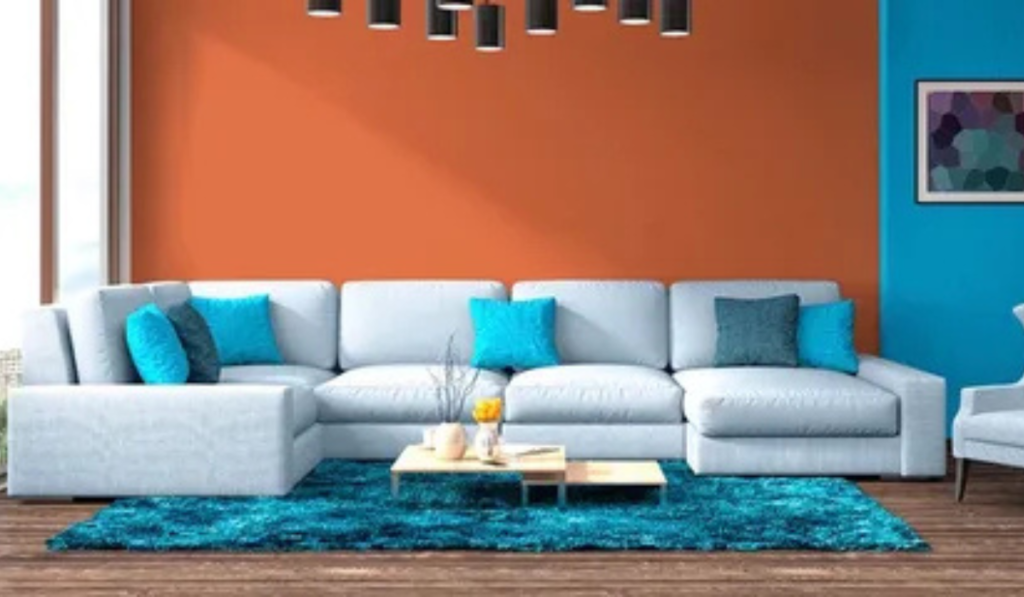
If you’ve ever stood in a paint aisle staring at hundreds of color samples, you’re not alone.
Choosing colors is one of the hardest parts of decorating because every decision affects everything else.
One of the easiest professional techniques is the 60-30-10 Rule.
Think of it as a recipe rather than a restriction.
60% — Your Dominant Color
This creates the room’s foundation.
Usually found on:
- walls,
- large rugs,
- flooring,
- large sofas,
- cabinetry.
Most homeowners choose neutral shades because they stay attractive for years.
Popular options include:
- warm white,
- greige,
- soft beige,
- taupe,
- light gray.
30% — Your Secondary Color
This creates contrast without overwhelming the room.
Examples include:
- curtains,
- accent chairs,
- bedding,
- dining chairs,
- cabinetry,
- feature walls.
The goal isn’t to compete with the dominant color.
It’s to complement it.
10% — Accent Color
This is where personality enters the room.
Think:
- throw pillows,
- artwork,
- decorative vases,
- lamps,
- blankets,
- fresh flowers.
Accent colors can be changed seasonally without redesigning the entire room.
That’s one reason professional designers often keep large investments neutral.
Real-Life Example
Imagine a modern living room.
- 60% warm white walls and cream sofa
- 30% natural oak furniture and beige curtains
- 10% deep forest green pillows and artwork
Nothing feels overwhelming.
Everything feels intentional.
Pro Tip
Most people make the mistake of introducing five or six accent colors.
Instead, repeat the same accent color in several places throughout the room.
Your eye naturally connects these details, making the entire space feel cohesive.
Styling Without Clutter: Why Odd Numbers Work Better
Have you ever arranged decorative pieces on a shelf only to feel that something looked “off”?
Often the issue isn’t the decorations themselves.
It’s the arrangement.
Interior stylists frequently group objects in odd numbers, especially groups of three.
For larger displays, groups of five or seven can also create visual interest.
For example:
Instead of:
- two candles
Try:
- one candle,
- one small plant,
- one decorative book.
Different heights and textures naturally draw the eye around the display.
This creates movement instead of stiffness.
A Better Approach
Don’t buy decorations just to fill empty shelves.
Leave breathing room.
Empty space isn’t wasted space.
It helps your favorite pieces stand out.
Natural Light Changes Everything
People often assume expensive furniture creates luxurious interiors.
In reality, lighting usually has a bigger impact.
I’ve seen beautifully furnished rooms feel dark and lifeless simply because natural light was blocked by heavy curtains.
Meanwhile, modest homes often feel brighter and larger because daylight is allowed to move freely.
Start With Your Windows
Ask yourself:
- Are thick curtains blocking daylight?
- Is furniture covering windows?
- Are windows clean enough to maximize incoming light?
Sometimes replacing heavy drapes with sheer curtains instantly changes the mood of an entire room.
The Mirror Technique That Actually Works
One of the oldest interior design tricks is also one of the most effective.
Place a large mirror opposite—or close to opposite—a window.
Why?
Because it reflects:
- daylight,
- outdoor views,
- brightness,
- depth.
The room immediately feels:
- brighter,
- larger,
- more open.
This technique works especially well in:
- apartments,
- narrow hallways,
- small living rooms,
- dining rooms with limited windows.
Layered Lighting: The Secret Most Homes Miss
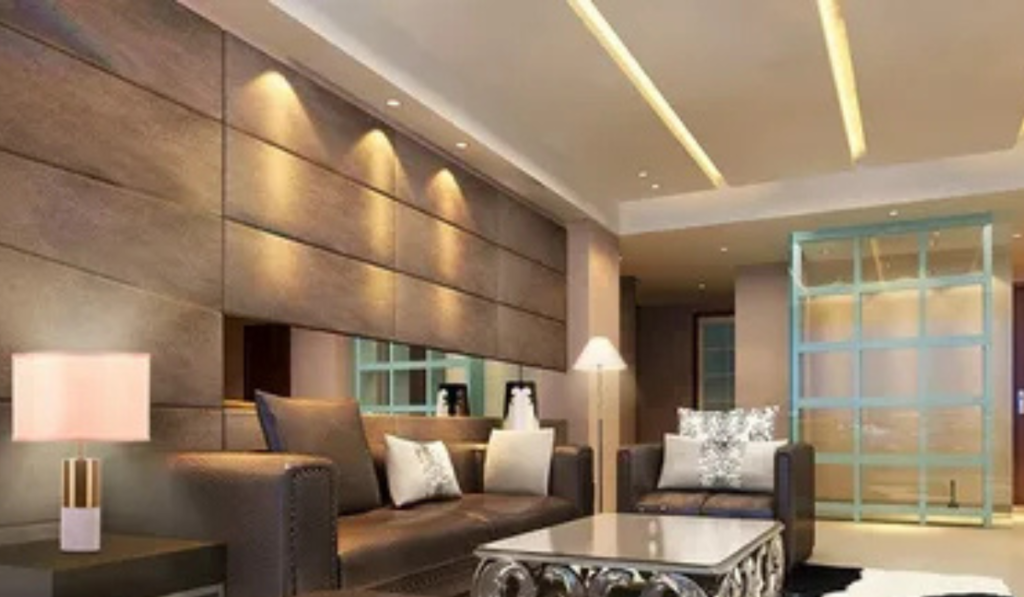
Walk into most homes after sunset and you’ll notice something.
Everything depends on one bright ceiling light.
While it certainly illuminates the room, it rarely creates comfort.
Professional interior design relies on layered lighting, combining different light sources to make a room both functional and inviting.
Layer One: Ambient Lighting
This is your general illumination.
Examples include:
- ceiling fixtures,
- chandeliers,
- recessed lighting,
- flush-mount lights.
It provides the base level of brightness for the entire room.
Layer Two: Task Lighting
Task lighting focuses light where you need it most.
Think about:
- reading lamps beside a chair,
- desk lamps in a home office,
- under-cabinet kitchen lights,
- vanity lighting in bathrooms.
Good task lighting reduces eye strain and makes everyday activities easier.
Layer Three: Accent Lighting
Accent lighting adds depth and atmosphere.
It can highlight:
- artwork,
- bookshelves,
- textured walls,
- indoor plants,
- architectural details.
Small table lamps and wall sconces often make a room feel warmer than increasing the brightness of one overhead fixture.
Choosing the Right Color Temperature
Light bulbs don’t all produce the same kind of light.
Selecting the right color temperature can dramatically change how paint colors, fabrics, and finishes appear.
As a general guide:
- 2700K–3000K (Warm White): Ideal for bedrooms and living rooms where comfort and relaxation matter most.
- 3000K–4000K (Neutral to Bright White): Works well in kitchens, bathrooms, and laundry rooms where clear visibility is helpful.
- 5000K and above (Daylight): Best reserved for garages, workshops, or utility areas that require high visibility.
Pro Tip
Rather than installing the brightest bulb available, install dimmable lighting whenever possible. The ability to adjust brightness throughout the day adds flexibility and creates a more comfortable atmosphere.
Match Paint Colors to Natural Light—Not Just the Sample Card
One mistake many homeowners make is choosing paint based solely on how it looks in the store.
Natural light changes color more than most people realize.
A shade that looks warm in the showroom may appear cool in your living room depending on the direction your windows face.
Here’s a simple guide:
North-Facing Rooms
These rooms receive cooler daylight.
Warm neutrals or greige shades can help balance that coolness.
South-Facing Rooms
These spaces receive warmer sunlight throughout the day.
Cooler neutrals, soft blues, or gentle greens often feel balanced here.
East-Facing Rooms
Bright mornings and softer afternoons mean adaptable neutrals usually perform well.
West-Facing Rooms
These rooms receive stronger afternoon and evening sunlight.
Balanced neutral shades often prevent the space from feeling overly warm later in the day.
Pro Tip
Never rely on a tiny paint chip. Paint a large sample directly on the wall and observe it in the morning, afternoon, and evening before making your final decision. It’s one of the simplest ways to avoid an expensive repaint later.
Designing Each Room with Purpose: Practical DrHomey Strategies That Actually Work
Now that you’ve built a strong foundation with color, lighting, and space planning, it’s time to apply those principles throughout your home.
One thing I’ve learned is that every room solves a different problem.
A living room encourages connection.
A kitchen supports efficiency.
A bedroom promotes rest.
An entryway controls clutter.
When you design each space around its primary purpose, decorating decisions become much easier.
Let’s walk through each room.
Living Room: Build a Space People Actually Want to Spend Time In
The living room is often the busiest space in the home.
It’s where families relax after work, guests gather, children play, and weekend movie nights happen.
Because this room serves multiple purposes, balance becomes essential. Choosing comfortable, functional furniture is one of the best ways to achieve that balance, and following a modern sofa set buying guide can help you select seating that complements both your lifestyle and your interior design.
Start With Conversation, Not the Television
Many homeowners arrange every seat toward the TV.
While that works for entertainment, it doesn’t encourage conversation.
A better approach is to create a seating arrangement where people can comfortably face one another.
Even if your television remains the focal point, positioning chairs and sofas slightly inward creates a warmer, more welcoming atmosphere.
Think About Traffic Flow
Before placing furniture, imagine someone walking across the room.
Can they move naturally without squeezing between tables?
Can doors open completely?
Can children play safely?
Comfortable walkways make a room feel larger, even when the square footage hasn’t changed.
Pro Tip
Leave a little breathing room between your sofa and the wall whenever possible.
Contrary to popular belief, pushing every piece of furniture against the wall often makes a room feel less inviting rather than more spacious.
Choose the Right Rug Size
One of the easiest ways to spot an inexperienced decorating job is an undersized rug.
A rug that’s too small makes furniture appear disconnected.
Instead, choose a rug large enough for at least the front legs of your major seating pieces to rest on it.
This visually anchors the entire conversation area.
Layer Textures Instead of Colors
Many people try adding excitement by introducing too many colors.
In my experience, texture creates a richer look without making the room feel busy.
Consider combining:
- Linen curtains
- Leather seating
- Wool throws
- Woven baskets
- Wooden furniture
- Ceramic accessories
Even with a neutral palette, these materials create depth and warmth.
Kitchen Design: Make Everyday Tasks Easier
A beautiful kitchen isn’t necessarily one with the newest appliances.
It’s one that makes cooking, cleaning, and organizing feel effortless.
That’s the real goal.
Clear Countertops Create Mental Clarity
Cluttered counters don’t just make a kitchen look messy—they also reduce your available workspace.
Try keeping only frequently used items visible, such as:
- Coffee machine
- Wooden cutting board
- Fruit bowl
- Cooking oils
Everything else should have a designated storage space.
Create Functional Zones
Professional kitchens are organized by activity.
You can use the same principle at home.
For example:
Cooking Zone
Keep together:
- Pots
- Pans
- Cooking utensils
- Oils
- Spices
Food Preparation Zone
Store nearby:
- Cutting boards
- Knives
- Mixing bowls
A well-planned sink area also improves workflow during meal preparation. Following a kitchen sink design guide can help you create a more practical layout that complements your food preparation space.
Cleaning Zone
Group:
- Dish soap
- Towels
- Trash bags
- Cleaning supplies
This reduces unnecessary movement while preparing meals.
Don’t Ignore Vertical Space
Many homes leave valuable storage unused.
Install shelving or cabinetry that reaches higher whenever practical.
Upper storage works well for:
- Seasonal cookware
- Serving dishes
- Small appliances used occasionally
The Grab-and-Go Strategy
One practical habit I genuinely like is creating a healthy snack zone inside the refrigerator.
Store washed fruit, yogurt, or ready-to-eat vegetables at eye level.
When healthy choices are the easiest choices, people naturally reach for them more often.
Small organizational improvements like this make daily routines smoother without requiring expensive renovations.
Bedroom Design: Create a Room That Helps You Recharge
A bedroom shouldn’t feel like a storage room with a bed in the middle.
Its primary purpose is recovery.
Everything inside should support relaxation.
Keep the Color Palette Calm
Soft neutrals continue to work well in bedrooms.
Popular choices include:
- Warm white
- Beige
- Greige
- Sage green
- Dusty blue
Instead of using bold colors on every wall, consider introducing personality through bedding or artwork.
That gives you flexibility if your tastes change later.
Invest in Comfort Before Decoration
Many homeowners spend hundreds on decorative accessories while sleeping on uncomfortable bedding.
If your budget is limited, prioritize:
- Quality mattress
- Comfortable pillows
- Breathable sheets
- Blackout curtains
You’ll notice the benefits every single night.
Reduce Visual Noise
Bedrooms filled with laundry piles, charging cables, and miscellaneous storage rarely feel peaceful.
Simple storage solutions can make a dramatic difference.
Examples include:
- Under-bed storage drawers
- Nightstands with concealed storage
- Matching baskets
- Closet organizers
Remember, organization isn’t about perfection.
It’s about reducing unnecessary distractions.
Bathroom Design: Small Changes, Big Results
Bathrooms are often among the smallest rooms in the house, but they can create one of the strongest impressions.
Fortunately, they don’t require a complete remodel to feel luxurious.
Improve the Lighting Around the Mirror
Many bathrooms rely on a single ceiling light.
This often creates shadows across the face.
Wall-mounted lighting positioned beside the mirror usually produces softer, more even illumination.
It’s a simple improvement that enhances both appearance and functionality.
Introduce Natural Materials
Bathrooms contain many hard surfaces.
Balance them with softer textures like:
- Wooden accessories
- Bamboo bath mats
- Cotton towels
- Woven baskets
- Small indoor plants
These materials create a spa-like atmosphere without requiring a large budget.
Simplify Visible Storage
Keep countertops as uncluttered as possible.
Store frequently used products neatly inside cabinets or organizers.
If you’re planning to upgrade your shower area while keeping the space organized and stylish, this bathroom shower set guide can help you choose the right fixtures that combine functionality with modern design:
A clean vanity instantly makes the entire bathroom feel more spacious.
Entryways: The Most Overlooked Room in the House
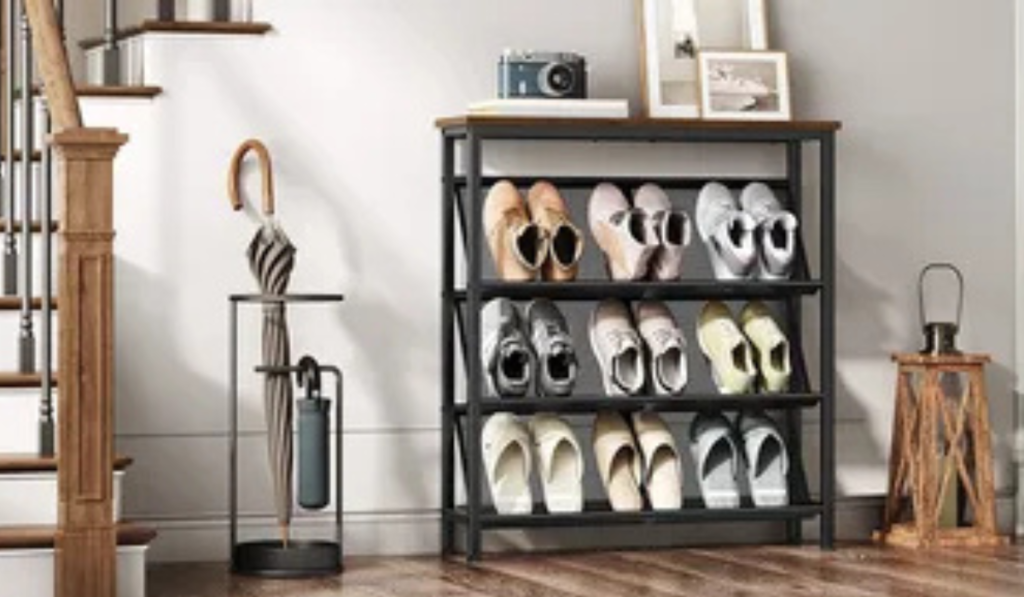
Here’s something many homeowners underestimate:
The condition of your entryway often determines how organized the rest of your home stays.
Without a system, everyday items quickly spread throughout the house.
That’s why I always recommend creating a simple Drop Zone.
A functional drop zone might include:
- Wall hooks
- Shoe rack
- Small bench
- Key tray
- Mail organizer
- Umbrella stand
Instead of searching for misplaced keys every morning, everything has a permanent home.
Small habit.
Big impact.
Home Office: Design for Focus, Not Just Appearance
Working from home has become common, yet many people still work from dining tables or cluttered spare rooms.
Even if you don’t have a dedicated office, thoughtful planning helps.
Prioritize:
- Comfortable seating
- Proper task lighting
- Cable management
- Adjustable monitor height
- Minimal distractions
Natural light is ideal, but avoid placing your screen directly in front of a bright window to reduce glare.
The 15-Minute Reset: A Practical Way to Stay Organized
One reason homes become overwhelming isn’t because they’re too small.
It’s because clutter accumulates faster than we notice.
Rather than spending an entire weekend cleaning, try setting aside just 15 minutes to focus on one specific area.
For example:
Monday:
Clear one kitchen drawer.
Tuesday:
Organize your bedside table.
Wednesday:
Sort the entryway.
Thursday:
Fold blankets and pillows.
Friday:
Tidy one shelf.
Small, consistent efforts usually feel more manageable than marathon cleaning sessions.
Pro Tip
Set a timer. Once it rings, stop. The goal is to build a sustainable habit, not to exhaust yourself.
Wellness Begins with Better Interior Design
Many decorating articles stop after discussing furniture and paint.
I think that’s only half the story.
A well-designed home should also support your physical comfort and mental well-being.
That’s where wellness-focused design becomes valuable.
Improve Indoor Air Quality Naturally
Fresh indoor air affects how comfortable a home feels.
Whenever weather and outdoor air quality allow, open windows for a short period each day to encourage cross-ventilation.
This simple habit helps refresh indoor air and reduce lingering odors.
If your household includes allergy sufferers or pets, using an air purifier equipped with a HEPA filter can also help reduce airborne particles such as dust and pollen.
Choose Low-VOC Products Whenever Possible
Many household products release volatile organic compounds (VOCs), especially when they’re new.
These may be found in:
- Some paints
- Certain furniture finishes
- Adhesives
- Aerosol sprays
- Artificial air fresheners
Whenever practical, consider:
- Low-VOC paint
- Low-odor adhesives
- Unscented cleaning products
- Natural ventilation after decorating projects
Small choices like these contribute to a healthier indoor environment.
Bring Nature Indoors with Biophilic Design
One trend that continues to gain attention—and for good reason—is biophilic design.
The concept is simple:
Help your indoor environment feel more connected to nature.
You don’t need an indoor jungle.
Even modest additions can have a meaningful effect.
Ideas include:
- Indoor plants
- Natural wood furniture
- Stone accents
- Linen fabrics
- Woven baskets
- Views toward gardens or trees
- Plenty of natural daylight
Plants such as snake plants, pothos, or peace lilies are popular because they’re relatively easy to maintain.
While indoor plants alone won’t dramatically purify household air, they add texture, color, and a calming connection to nature that many people appreciate.
Smart Home Features That Improve Everyday Living
Technology should simplify life—not complicate it.
The best smart home features are often the ones you barely notice. Many homeowners who appreciate the clean, functional aesthetics of Design Milk style also prefer smart home upgrades that blend seamlessly into modern interiors without creating visual clutter.
Consider upgrades like:
- Smart thermostats
- Programmable lighting
- Motion-sensor hallway lights
- Automated blinds
- Smart plugs
- Hidden wireless charging stations
These additions improve convenience while helping maintain a clean, uncluttered appearance.
Real-World Example
Imagine arriving home with groceries.
The hallway lights switch on automatically.
The thermostat has already adjusted to your preferred temperature.
The blinds begin closing as evening approaches.
None of these features exist simply because they’re modern.
They reduce small daily frustrations—and that’s what thoughtful design is really about.s really about.
Design Beautifully on Any Budget
One of the biggest myths in interior design is that creating a beautiful home requires an unlimited budget.
It doesn’t.
In my experience, the most inviting homes aren’t always the most expensive—they’re simply the most intentional.
Instead of asking, “How much can I spend?”, ask yourself:
“Which improvement will have the biggest impact on how I live?”
That mindset helps you invest wisely instead of buying items you’ll replace a year later.
Budget Plan 1: Refresh Your Home for Around $500
If you’re working with a limited budget, focus on updates that create noticeable visual improvements.
Prioritize These Changes
- Repaint one room using a timeless neutral color.
- Replace outdated cabinet handles or drawer pulls.
- Add one or two indoor plants.
- Upgrade old lampshades or light fixtures.
- Replace worn throw pillows or blankets.
- Rearrange existing furniture to improve flow.
Sometimes moving furniture costs nothing but completely changes how a room feels.
Real-Life Example
Imagine a small apartment living room with dark curtains, oversized furniture, and scattered accessories.
Instead of purchasing a new sofa:
- Replace heavy curtains with sheer fabric.
- Move the sofa slightly away from the wall.
- Add one larger rug.
- Remove unnecessary decorations.
- Introduce one large indoor plant.
The room suddenly feels brighter, larger, and far more intentional—all without a major renovation.
Budget Plan 2: Around $2,500 for a Complete Room Makeover
A moderate budget allows you to improve both appearance and functionality.
Consider investing in:
- A quality area rug
- One durable statement chair
- Custom curtains
- Better lighting
- Floating shelves
- Fresh paint
- Improved storage solutions
Instead of replacing everything, upgrade the pieces that influence the room most.
For many living rooms, those are:
- the sofa,
- the rug,
- and the lighting.
Everything else can evolve over time.
Budget Plan 3: $10,000+ for Long-Term Value
If you’re planning a major renovation, focus on improvements that continue adding value for years.
These include:
- Hardwood or high-quality engineered flooring
- Custom storage
- Better insulation
- Improved lighting layout
- Built-in shelving
- Energy-efficient windows
- High-quality cabinetry
These upgrades improve both daily comfort and resale appeal.
The Most Common Interior Design Mistakes (And How to Fix Them)
Almost every homeowner makes at least one of these mistakes.
The good news?
They’re usually easy to correct.
Mistake #1: Buying Furniture Before Measuring
Beautiful furniture isn’t automatically suitable furniture.
Always measure:
- room dimensions,
- doors,
- hallways,
- ceiling height,
- and walking space.
I’ve seen people fall in love with a sofa only to discover it barely fits through the front door.
A simple floor plan can prevent expensive mistakes.
Mistake #2: Choosing Style Over Comfort
Instagram-worthy chairs aren’t helpful if nobody wants to sit in them.
Whenever possible:
- test seating,
- check cushion depth,
- evaluate back support,
- consider fabric durability.
Remember:
Your home exists for living—not just photographing.
Mistake #3: Using Only One Ceiling Light
We’ve already discussed layered lighting, but it’s worth repeating.
A single overhead fixture creates:
- harsh shadows,
- flat walls,
- uncomfortable brightness,
- and little atmosphere.
If you’re planning to upgrade your lighting, it’s also worth exploring modern ceiling design ideas, as the right ceiling layout can enhance light distribution while adding style and architectural interest to your space.
Adding table lamps, floor lamps, or wall lighting dramatically changes how a room feels after sunset.
Mistake #4: Buying Tiny Rugs
A small rug makes furniture appear disconnected.
If your budget doesn’t allow a larger rug immediately, it’s often better to wait than buy one that’s too small.
Mistake #5: Hanging Artwork Too High
Artwork should feel connected to the furniture below it.
A helpful guideline is placing the center of the artwork around eye level, while also considering the height of nearby furniture.
If art hangs near the ceiling, the room often feels visually disconnected.
Mistake #6: Matching Everything
Matching furniture sets were once popular.
Today, professionally designed homes usually feel more collected than coordinated.
Instead of matching every piece:
Mix:
- wood finishes,
- textures,
- fabrics,
- shapes,
- and materials.
The room becomes more interesting without looking chaotic.
Mistake #7: Following Every Trend
This may be the most expensive mistake of all.
Trends are fun.
Homes should last.
Rather than redesigning your space every year, create timeless foundations and update accessories whenever trends change.
Your wallet—and your future self—will appreciate it.
Sustainable Interior Design: Think Beyond Today’s Trends
Sustainability isn’t only about protecting the environment.
It’s also about making smarter purchasing decisions.
Before buying something new, ask:
- Will I still enjoy this in five years?
- Can it be repaired?
- Is it made from durable materials?
- Does it truly improve my home?
Buying fewer, better-quality pieces often costs less over time than replacing inexpensive furniture every few years.
A Future-Proof Home Is Easier to Live In
Good design doesn’t only solve today’s needs.
It also prepares your home for the future.
Simple ideas include:
- wider walkways,
- better lighting,
- slip-resistant flooring,
- accessible storage,
- flexible furniture layouts.
These improvements make homes more comfortable for people of every age.
Expert Tips That Most Decorating Articles Never Mention
Let’s finish with a few practical insights that rarely receive enough attention.
Rotate Your Décor
Your home doesn’t need new decorations every season.
Simply moving accessories between rooms creates a fresh appearance.
A vase from your dining room may look perfect in the bedroom.
Artwork from the hallway may completely change your office.
Shopping your own home is one of the most budget-friendly design strategies available.
Leave Empty Space
Many homeowners feel pressure to decorate every wall, shelf, and corner.
Don’t.
Negative space gives your eyes a place to rest.
Ironically, the less clutter you display, the more valuable your favorite pieces appear.
Test Before Buying
Whenever possible:
- borrow samples,
- order fabric swatches,
- test paint,
- compare lighting,
- visualize furniture placement.
A few extra days of planning can prevent years of regret.
Invest in What You Touch Every Day
If your budget only allows one upgrade, improve the things you use constantly.
Examples include:
- mattress,
- office chair,
- dining chairs,
- towels,
- bedding,
- sofa,
- kitchen faucet.
These everyday experiences have a greater impact on comfort than decorative accessories.
Create a Consistent Flow
One detail often overlooked is continuity.
A home feels more peaceful when the rooms relate to one another.
That doesn’t mean every room should look identical.
Instead, repeat small design elements throughout the home.
For example:
- similar wood tones,
- matching metal finishes,
- recurring accent colors,
- consistent lighting temperatures.
These subtle connections help the entire house feel cohesive.
Frequently Asked Questions
Is Interior Design DrHomey a specific decorating style?
No.
It’s better described as a practical approach to designing homes that prioritize functionality, comfort, organization, and timeless aesthetics rather than following one particular visual style.
Does this approach work for small apartments?
Absolutely.
Many of its principles—such as multifunctional furniture, vertical storage, layered lighting, and thoughtful space planning—are especially useful in compact homes.
What’s the easiest improvement I can make today?
Start by decluttering one visible area, improving the lighting, and rearranging your furniture for better flow.
These changes often have a greater impact than buying new decorations.
Do I need an interior designer?
Not necessarily.
Understanding basic design principles can help you make confident decisions on your own.
However, professional guidance can be valuable for large renovations, structural changes, or custom layouts.
How often should I redesign my home?
There’s no fixed schedule.
A well-designed home should evolve gradually.
Update accessories, artwork, textiles, or paint as your needs and preferences change rather than replacing everything at once.
Can I mix different design styles?
Yes.
Many of the most memorable interiors combine influences thoughtfully.
The key is maintaining balance through consistent colors, materials, proportions, and scale.
Final Thoughts
A beautiful home isn’t created by buying the most expensive furniture or copying every trend you see online.
It’s created through thoughtful decisions that make everyday life easier, more comfortable, and more enjoyable.
That’s what makes the Interior Design DrHomey philosophy so practical.
It reminds us that good design isn’t about perfection.
It’s about intention.
Every room should support the people who use it.
Every piece of furniture should have a purpose.
Every lighting choice should improve comfort.
Every organizational system should reduce stress instead of adding to it.
If you’re unsure where to begin, don’t feel pressured to redesign your entire home this weekend.
Start with one room.
Then one corner.
Then one shelf.
Small improvements build momentum, and over time those small changes create a home that not only looks beautiful but also feels welcoming every single day.
Because at the end of the day, the best-designed home isn’t the one that impresses strangers.
It’s the one that makes you happy every time you walk through the front door.